
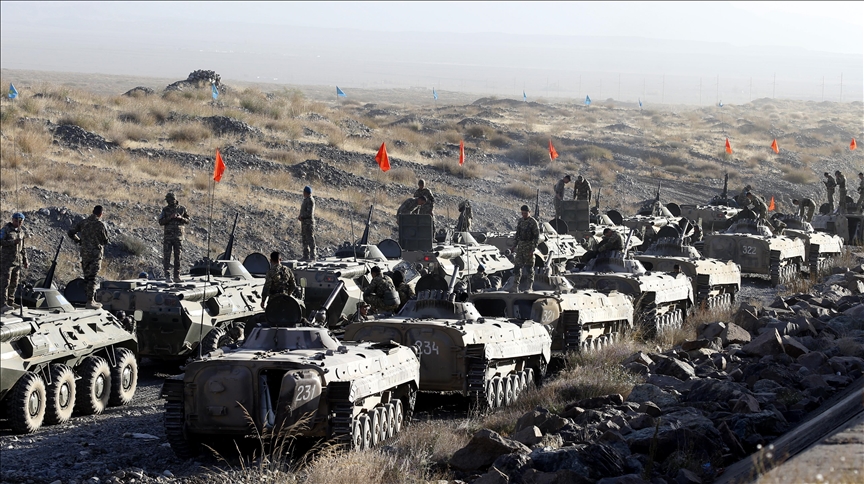

As the globe deals with increasing temperatures, melting glaciers, and more severe natural disasters, a new threat is quietly growing: the climate crisis could be the thing that starts globe War III. In the past, wars were fought over power, land, or ideas. But in the 21st century, a new battleground has emerged: one molded by the collapse of the environment. Climate change might cause political instability like never before, from food shortages to resource depletion.
The Link Between Climate Change and War
Environmental problems are no longer just about ecology. The climate crisis is now directly linked to the safety of the country. More and more security experts think that climate change is a “threat multiplier” that might make tensions between countries worse. Long droughts, loss of farmland, and rising sea levels might compel millions to move, putting too much strain on host countries and starting wars inside or outside of them.
In these situations, WW3 might not start because of military action, but because people are desperate because the ecosystem is falling apart. Governments may feel pressure to protect their citizens and borders, which could lead to preemptive strikes or bigger regional conflicts.
Water Wars: The Battle for Blue Gold
Water scarcity is one of the biggest challenges to peace right now. As glaciers melt and rivers dry up, fights over water rights are getting worse. Egypt, Ethiopia, and Sudan have already fought over the Grand Ethiopian Renaissance Dam. This could be a symptom of a bigger trend.
Water could become the most fought-over resource if global temperatures keep going up. Countries that depend on shared water systems may have fights that might quickly turn into bigger wars.
Table: Water Disputes Linked to Climate Change That Could Get Worse
| Region | Countries Involved | Resource at Risk | Conflict Potential |
|---|
| Nile River Basin | Egypt, Sudan, Ethiopia | Nile River | High |
| Indus Basin | India, Pakistan | Indus River | Medium to High |
| Mekong River | China, Laos, Vietnam | Mekong River | Medium |
| Jordan River | Israel, Jordan, Palestine | Jordan River | High |
| Tigris-Euphrates | Turkey, Iraq, Syria | Tigris & Euphrates | Medium |
Fighting at the border and migration
In the next few decades, the climate crisis could force hundreds of millions of people to move. Sea level rise is a threat to the existence of low-lying countries like Bangladesh and island nations in the Pacific. As people from these countries leave for safer places, the countries that take them in may have trouble with resources, government, and national unity.
When tensions at the border get too high, there may be violent fights. Countries who are already worried about a lot of immigration might put troops on their borders. Fights could get worse, and in the worst situation, they could start wars between countries. If several countries use force, the chance of World War 3 happening becomes very real.
The Arctic is melting, and there are tensions between superpowers.
The Arctic is opening up in both a literal and a political sense. When the ice melts, new transportation routes and resources that haven’t been used yet, including oil and gas, become available. Russia, the US, Canada, and the Nordic countries are already claiming parts of the Arctic seabed as their own. The race for power might turn the arctic area into a hotbed of military competition.
If any territorial claim is challenged with military force, a bigger chain reaction could happen. Both the U.S. and Russia have nuclear weapons and are already doing military drills in the area, which is making things worse. In a place like this, WW3 may start as a fight over land that is tied to climate change.
Food Insecurity and Unstable Politics
Droughts, crop failures, and weather that doesn’t follow a pattern are already affecting the world’s food supply. Food insecurity is at an all-time high in Sub-Saharan Africa, Southeast Asia, and even some portions of the U.S.
Not having enough food doesn’t simply affect dinner tables; it undermines the basic fabric of society. Hunger causes protests, protests cause political instability, and instability leads to conflict. If a big farming area falls apart or food export controls are put in place, countries may have to use force to get the supplies they need. Famine and fear could start a chain reaction that leads to World War 3.
Changes in energy and control over resources
The world has to move away from fossil fuels and toward renewable energy, but this could also cause problems. Countries that have a lot of lithium, cobalt, and rare earth metals, which are important for making batteries, could become the new hot spots for geopolitical conflict. China does most of the processing of rare earths, whereas African countries provide most of the raw materials. If trade relations get worse or mining areas become unstable, it might lead to power clashes that affect many countries.
Competition for renewable energy supply chains could take the place of oil wars, which could start new regional conflicts or alliances that shape the early phases of WW3.
Things to Think About
-
Climate change is a “threat multiplier”: It intensifies existing political, social, and economic challenges.
-
Global cooperation is faltering: As nationalism rises, the willingness to share dwindling resources diminishes.
-
Technology could accelerate conflict: Drones, cyber warfare, and misinformation campaigns can escalate climate-fueled tensions rapidly.
Warnings and Lessons from History
There have been wars in the past when resources were few and the environment changed. For instance, the Akkadian Empire and the Mayan civilization are thought to have fallen in part because of lengthy periods of drought. The Syrian civil war is thought to have been caused by climate change that hurt farming, which forced people to leave rural areas and led to instability in the country.
Even though these weren’t world wars, they show how environmental stressors may make countries unstable. If other areas have the same problems at the same time, the cascade could lead to a global conflict, possibly World War 3.
What do international organizations do?
The World Bank and the United Nations are two groups that know how climate change could threaten peace and security. But the structures we have right now are reactive, not proactive. There is a great need for conflict prevention measures that use climatic data and diplomatic efforts together.
The Paris Agreement and other treaties like it put a lot of emphasis on emission targets, but they don’t talk about conflict. If there aren’t robust international laws to deal with climate-related displacement and disputes, the route to WW3 may stay open.
Nuclear Dangers in a Climate Emergency
The relationship between nuclear powers and the climate issue is a hazard that is often underestimated. When things get very bad, countries like India and Pakistan that are both sensitive to climate change and have nuclear weapons could respond quickly. For example, a water war between these two countries may quickly get out of hand and even use tactical nuclear weapons. If nuclear weapons are used, other countries may retaliate, which might lead to World War 3.
Also, rising sea levels put coastal nuclear power stations and arsenals at risk. If a natural disaster damaged a nuclear facility, it may be seen as an act of war, which would make military countries throughout the world fear and overreact.
Can climate diplomacy stop World War 3?
To stop World War 3 from happening because of a climate disaster, the world will need to work together like never before. Climate diplomacy needs to be a part of peacekeeping missions, trade deals, and military rules. Countries need to set up early warning systems for climate-related conflicts and give money to countries that are vulnerable to climate change.
To stop a chain reaction of climate-related migration and conflict, rich countries must also help the Global South adapt. The sooner the involvement, the less likely it is to turn into full-scale war.
Conclusion
Military strategists, international organizations, and climate scientists all agree that the climate problem could lead to World War III. This is no longer just a fringe hypothesis. The fragile balance of world peace is also getting worse as the environment gets worse. The seeds of future war are being sown today, whether it’s over water, food, energy, or large groups of people moving.