
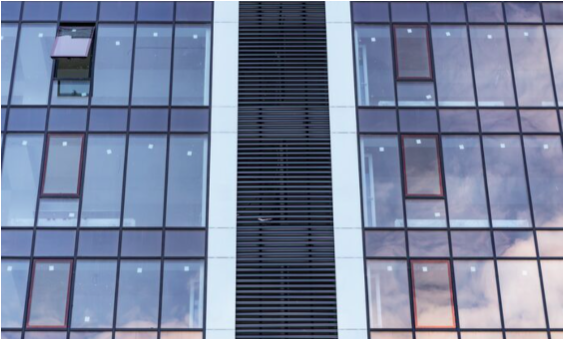

The installation of windows in a commercial setting is a significant undertaking that impacts the building’s energy efficiency, aesthetic appeal, and structural integrity.
Unlike residential projects, commercial installations must adhere to stricter building codes and handle higher performance demands. Proper planning and execution ensure that the investment provides long-term value and comfort for occupants.
Whether you are upgrading an existing facade or working on a new construction project, following a systematic approach is essential for a successful outcome. Here are six essential tips for installing your commercial windows effectively.
1. Prioritize Precise Measurements and Planning
Before any materials are ordered, it is critical to obtain exact measurements of every opening. Even a minor discrepancy can lead to air leaks, water infiltration, and significant delays during the installation phase.
In a commercial environment, structural shifts or variations in masonry are common, so a professional site survey is necessary.
Detailed planning should also include a review of local building regulations, ensuring that the selected products meet specific safety and performance standards for wind resistance and thermal insulation.
2. Elevate Aesthetics with Classic Commercial Wood Windows
For properties that require a sophisticated or historic look, choosing the right materials is paramount. Incorporating commercial wood windows into your design provides a timeless elegance and superior natural insulation.
While modern wood frames are treated for durability, they must be installed with care to account for natural expansion and contraction.
Ensuring a perfect fit and using high-quality sealants will preserve the beauty of the timber while providing the structural strength needed for a professional environment.
3. Select High-Performance Commercial Windows for Efficiency
The functionality of your building depends largely on the quality of the glass and frames used. When selecting commercial windows, focus on units that offer advanced glazing options, such as low-emissivity coatings or argon gas fills.
These features significantly reduce heat transfer, keeping the interior cool in the summer and warm in the winter. High-performance frames made of reinforced materials provide the necessary stability for large glass spans, ensuring that the building remains energy efficient and quiet throughout the year.
4. Focus on Proper Flashing and Waterproofing
Water management is the most critical technical aspect of window installation. Without correct flashing, moisture can seep into the building envelope, leading to rot, mold, and structural damage.
Installers must use high-quality waterproof membranes and ensure that the flashing is integrated correctly with the building’s weather barrier.
Every joint and corner must be sealed meticulously to create a watertight seal that can withstand heavy rain and extreme weather conditions without compromising the interior.
5. Utilize Professional Grade Sealants and Insulation
The gaps between the window frame and the rough opening must be filled with the correct type of insulation to prevent drafts and energy loss. Low-expansion foam is often preferred in commercial settings because it provides a dense thermal barrier without distorting the window frame.
Once the insulation is in place, applying professional-grade silicone sealants to the exterior perimeter ensures a flexible and durable bond. This secondary line of defense is vital for maintaining the airtightness of the building over several decades.
6. Conduct Post-Installation Testing and Inspection
The process is not complete until every window has been tested for functionality and performance. Open and close every sash to ensure the hardware operates smoothly and that the locks engage securely.
It is also wise to perform a water hose test on selected units to verify that the drainage systems and seals are working as intended.
A final inspection by a qualified professional ensures that the project meets all architectural specifications and that the building is ready for its occupants.